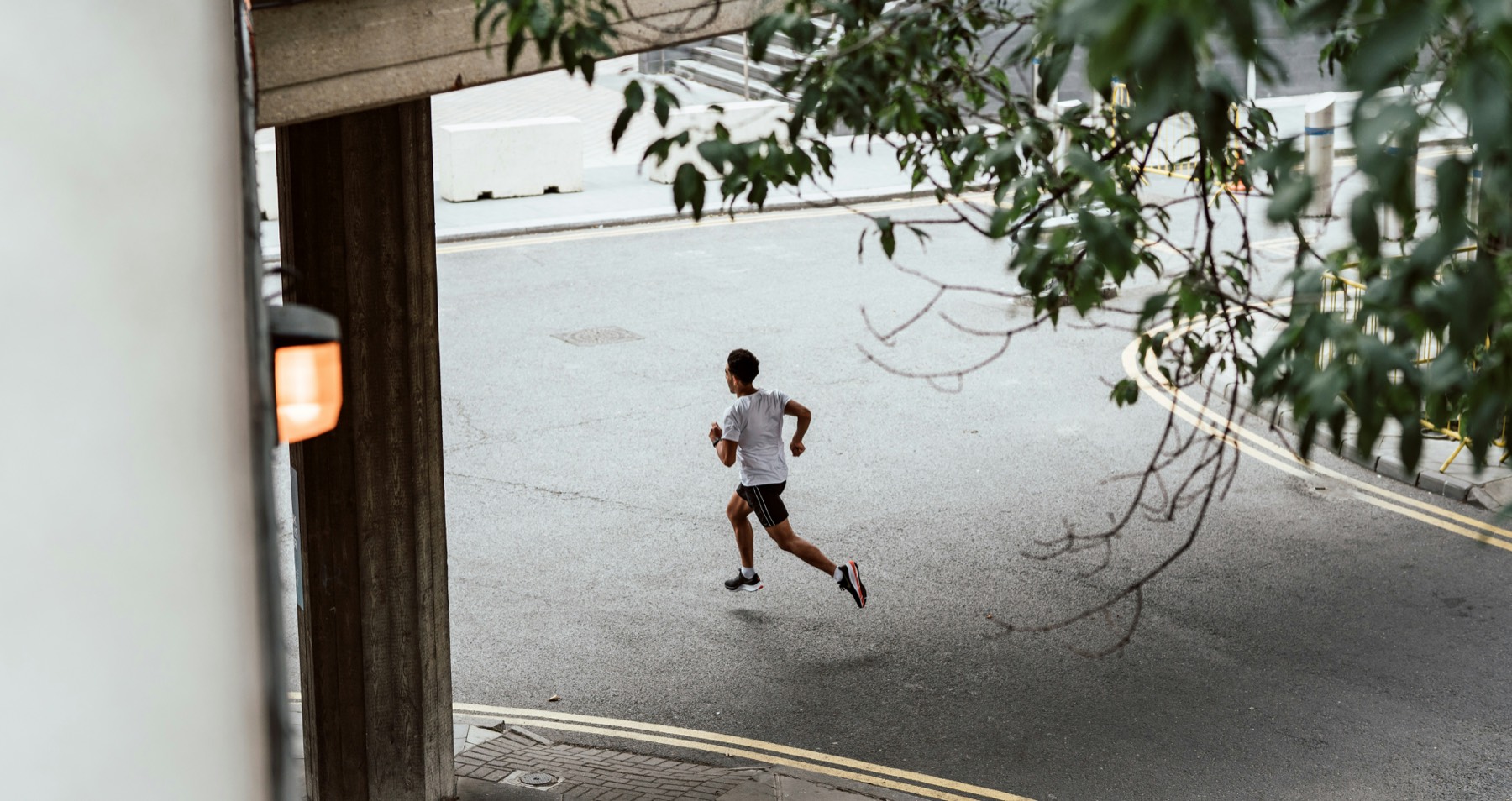
1 September 2026 · Written by the founder
It started with a good night. A late-summer night run in my city, one of those nights the
whole town is outside and the streets stay warm past midnight. Gritty running. I loved it. I
did a cross-training session the next day because I felt fine, and the two together were more
than my body wanted to absorb.
Then I was ill for three weeks.
Today was the first morning it lifted. Not gone. Lifted. The kind of morning where you
suspect you could run and you want to know for certain. An easy 5K would tell me.
This is the exact situation I built Klivet for. So I tested it on myself.
The setup
One tap on Loop and the planner handed me a route with some hills in it. No fiddling, no
map wrestling. I started the run on the phone, on the watch, and on my Garmin at the same
time, so that afterwards I would have something honest to check Klivet against.
The data held. All three agreed from the first kilometre. That part I am happy with.
Everything after that is why this post exists.
What broke
The watch has had most of my attention these past weeks and it shows. The voice was clear.
The cues landed where they should. Its one real problem was hill detection, which found hills
with more enthusiasm than accuracy.
The phone was the finding. The running companion had all the data and could not say it in a
way a person would understand. The voice went missing for long stretches. When it did speak up
to call a kilometre, my music dropped and never came back to full volume, which is a bug we had
already killed once and which had quietly returned. The map was a single thin line on an empty
field. A line does not tell you where to turn. It also just looked bad.
I have been spoiled by the watch. People running with a phone deserve the same thing.
Then the checkpoint. Ten minutes in, the app is meant to stop me and ask how the body
actually feels. That was the whole point of the run. It never fired. The cause turned out to be
small and stupid: the app asked for the question, then waited for a screen refresh that pausing
the run had already cancelled. It was asking into a void.
I finished. The run was not in the app, and I had to wait for it to turn up. When the Last
Run page did arrive, it was as badly laid out as I have been complaining about for weeks.
One more. I did a HIIT session with a friend this week. Klivet has no idea it happened. It
should.
What shipped today
All of it, the same day. Nine fixes and a verification pass.
- The phone gives your audio backSpeech releases the audio session when it is
done, so music returns to full volume after a kilometre call.
- Road runs get a real mapRoad mode is backed by Apple Maps instead of a bare
line on an empty field.
- The phone says what the watch saysLive coaching reached parity, and hill
detection on the watch stopped inventing them.
- The recovery checkpoint firesIt now asks once, at fifteen minutes, on the
phone and the watch alike.
- A held day keeps its routeGuarding a session no longer removes the course you
were going to run.
- A finished run appears immediatelyNo waiting to see the thing you just
did.
- Cross-training countsSupport sessions show up in the week instead of falling
through it.
- Week progress and energy read as oneTwo cards that disagreed became one card
that does not.
- Last Run tells the truth and fits the screenBoth the numbers and the
layout.
What that was checked against
- 2991 app tests, in 277 suites
- 2716 tests across the physiology engines
- 285 tests on the health-data layer
- 23 watch harnesses, compiled from source
Passing tests are not the same as a good run. None of this is proven
until it is proven on my wrist, in the cold, with the screen wet. That is the next run, and it
is the only verdict that counts.
Where this leaves it
The honest read on today is that the watch is ahead and the phone is catching up. I would
rather write that down than let it sit quietly in a backlog. Every fix above came from one
easy 5K on a body three weeks out of practice, which is the kind of run this app exists to
handle and the kind of run that finds everything.
The next one goes out with all nine landed. I will tell you what it finds.
Klivet reads your training and your recovery signals and gives you a
readiness estimate. It is an estimate, not a diagnosis. It does not know that you are ill,
and it is not a substitute for a doctor or a coach who can see you.